
How to Know When It’s Time to Hire Kitchen Hood Cleaners
Maintaining clean kitchen hoods is crucial to ensuring the safety and efficiency of both commercial and residential kitchens. Over time, grease, grime, and particulates can accumulate in exhaust systems, posing fire hazards and reducing air quality. This article will guide you through the key considerations for determining when it's time to enlist professional kitchen hood cleaners. Beyond immediate safety concerns, understanding and adhering to health and legal requirements is integral to preventing costly penalties and ensuring the well-being of kitchen staff and patrons. We'll also explore how hiring kitchen hood cleaners can improve overall operational efficiency and protect the long-term integrity of your kitchen equipment.
Understanding the Importance of Regular Maintenance
Safety Concerns in Commercial Kitchens
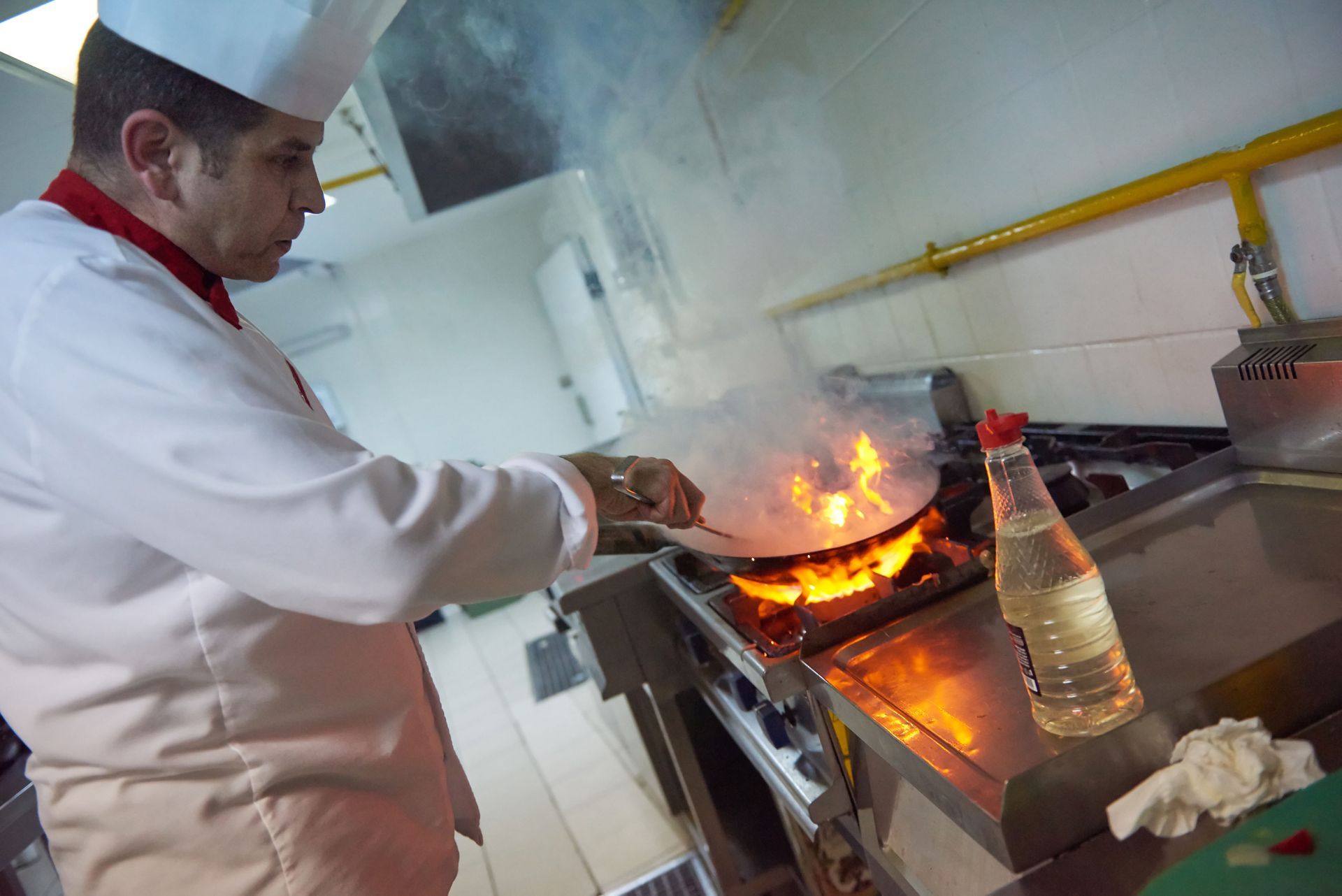
Safety in commercial kitchens starts with preventing fires, and maintaining clean exhaust systems plays a vital role. Accumulated grease is highly flammable and, if not addressed, can ignite spontaneously or be ignited by external sources. Regularly cleaning kitchen hoods significantly reduces the risk of fire, protecting your personnel and premises. It’s not just about avoiding fires; a clean hood prevents toxic smoke from circulating, preserving the health of anyone who works or dines in the facility. Making regular maintenance a part of your kitchen’s safety protocols can thus contribute to a safe working environment.
Health Compliance and Legal Requirements
Health departments enforce strict guidelines regarding the cleanliness of food service establishments, including the maintenance of kitchen hoods. Failure to comply with these regulations can result in fines, forced shutdowns, and reputational damage. Regularly scheduled hood cleanings ensure that you meet or exceed the standards set by health authorities. Keeping your kitchen in line with these regulations not only helps avoid punitive measures but also assures customers of your commitment to their health and safety. Kitchen hood cleaners stay on top of these standards and will bring peace of mind and stability to your operations.
Preventing Damage to Kitchen Equipment
When kitchen hoods are neglected, grease and grime can compromise the performance and lifespan of the equipment. Heavy grease build-up can strain exhaust fans and filters, leading to costly repairs or replacements. Routine professional cleaning not only mitigates these risks but also ensures the entire system operates efficiently, helping you avoid unscheduled downtime. Furthermore, clean kitchen hoods preserve the quality of your food by eliminating unwanted odors and contaminants. By investing in regular maintenance, you protect one of your kitchen’s most valuable assets.
Recognizing the Signs of a Dirty Kitchen Hood
Visible Grease and Grime Build-Up
One of the most obvious indicators that it's time to clean your kitchen hood is visible grease accumulation on surfaces. Grease and grime not only affect the aesthetic appeal of your kitchen but also pose significant health and safety risks. If left unchecked, this build-up can lead to malfunctioning exhaust systems, causing them to work harder and become less efficient. Regular inspection of your hoods and ducts is essential to spot these signs early on and take corrective measures. Implementing a routine cleaning schedule ensures that your kitchen remains compliant with health standards and continues to operate efficiently.
Unpleasant Odors in the Kitchen
A dirty kitchen hood can trap unpleasant odors from past meals, contributing to a less-than-ideal dining or working atmosphere. These odors are often caused by grease and food particles that become lodged within the hood, ductwork, or filters. When kitchens are properly cleaned and maintained, these unpleasant smells are eliminated, leaving a fresher environment. Addressing the source of odors promptly prevents them from worsening and potentially affecting food taste or customer experiences. A professional cleaning will thoroughly remove these obstructions, leaving your kitchen and dining area smelling clean and inviting.
Poor Airflow and Ventilation Issues
Poor airflow can result from clogged or malfunctioning kitchen hoods, creating a stuffy, uncomfortable environment. Effective ventilation is critical; it removes excess heat and maintains a comfortable working temperature for kitchen staff. When filters become clogged with grease, the ventilation system's performance is impaired, leading to various operational challenges. According to This Old House, experts recommend cleaning kitchen hood filters every 30 hours of use—roughly once a month or every other month—to ensure the hood continues operating efficiently and smoothly. Regular maintenance ensures that ventilation issues are identified and rectified before they escalate into costly problems.
Assessing the Frequency of Your Kitchen Operations
High-Volume vs. Low-Volume Kitchens
The scale of operations greatly influences the frequency of required hood cleanings. High-volume kitchens, such as those in busy restaurants or hotels, accumulate grease and grime more quickly than those in low-volume establishments. This increased usage necessitates more frequent professional cleanings to maintain safety and efficiency standards. Low-volume kitchens may experience slower build-up and thus can extend the intervals between cleanings. Understanding the demands of your kitchen's operations helps inform an appropriate cleaning schedule tailored to your specific needs.
Type of Cuisine and Its Impact on Exhaust Systems
The type of cuisine your kitchen specializes in also affects how quickly hoods can become contaminated. Greasy or fried foods typically generate more airborne grease particles, contributing to faster hood contamination. In contrast, establishments focusing on less greasy cuisines may experience slower build-up. Recognizing these differences can help you set accurate cleaning frequencies that align with the type of food being prepared. Tailoring your maintenance plan based on your restaurant's culinary focus ensures your ventilation system remains in optimal condition.
Evaluating Your In-House Cleaning Capabilities
Training and Expertise of Current Staff
Effective in-house maintenance of kitchen hoods requires more than just time; it demands expertise. Staff should be adequately trained to recognize signs of grease build-up and understand cleaning techniques that prevent immediate hazards. Without proper training, there is a risk of overlooking critical issues or improperly cleaning components, which could compromise safety and efficiency. Investing in routine training sessions and skill enhancement workshops ensures your team possesses the necessary skills to maintain the equipment effectively. However, complementing in-house efforts with professional services is advisable to guarantee thoroughness and compliance.
Available Time for Comprehensive Cleaning
In a bustling kitchen, finding time for comprehensive cleaning can be challenging. Daily operations often require uninterrupted focus on serving food, leaving little time for detailed maintenance, such as hood cleaning. While routine surface cleaning can be handled by in-house staff, deeper cleaning tasks may be neglected due to time constraints. Delegating these responsibilities to professional cleaners ensures that all critical components receive the attention they need without disrupting daily operations. Thus, professional cleanings become essential in maintaining complete cleanliness and safety in busy kitchens.
Considering the Benefits of Professional Cleaning Services
Specialized Expertise and Experience
Professional kitchen hood cleaners offer specialized knowledge and experience that exceeds typical in-house capabilities. Their training enables them to navigate complex exhaust systems, removing grease build-up efficiently and effectively. This expertise not only ensures compliance with health and safety regulations but also preserves the longevity of kitchen equipment. By engaging experienced professionals, you reduce the risk of missing potential hazards, offering kitchen management peace of mind. The assurance of a job done well justifies the investment in these services.
Access to Advanced Cleaning Equipment
Advanced cleaning equipment is another compelling reason to consider professional kitchen hood cleaners. Professionals use high-grade, specialized tools to access and clean hard-to-reach areas of exhaust systems. Their sophisticated equipment often includes industrial vacuums, steam cleaners, and eco-friendly solvents, designed to deliver deep clean results without compromising the environment. By leveraging advanced technology, professional cleaners deliver services that go beyond what in-house staff can achieve, ensuring effective grease and contaminant removal. This investment in quality service protects both your kitchen's operational efficiency and its reputation.
Maintaining a consistent and thorough hiring kitchen hood cleaners is essential for protecting your kitchen from fire hazards, ensuring compliance with health regulations, and preserving the efficiency and longevity of your equipment. Whether you operate a high-volume restaurant or a smaller commercial kitchen, recognizing the signs of grease buildup, poor ventilation, and operational strain can help you take action before issues escalate into costly problems.
For dependable, thorough service, Sun Devil Hoods & Exhaust Cleaning delivers professional kitchen hood cleaners that meet the highest standards of safety and performance. Their expertise helps businesses maintain cleaner kitchens, reduce risk, and operate with confidence every day.
Share On: