
Kitchen Hood Cleaning: Why Every Commercial Kitchen Needs Routine Service
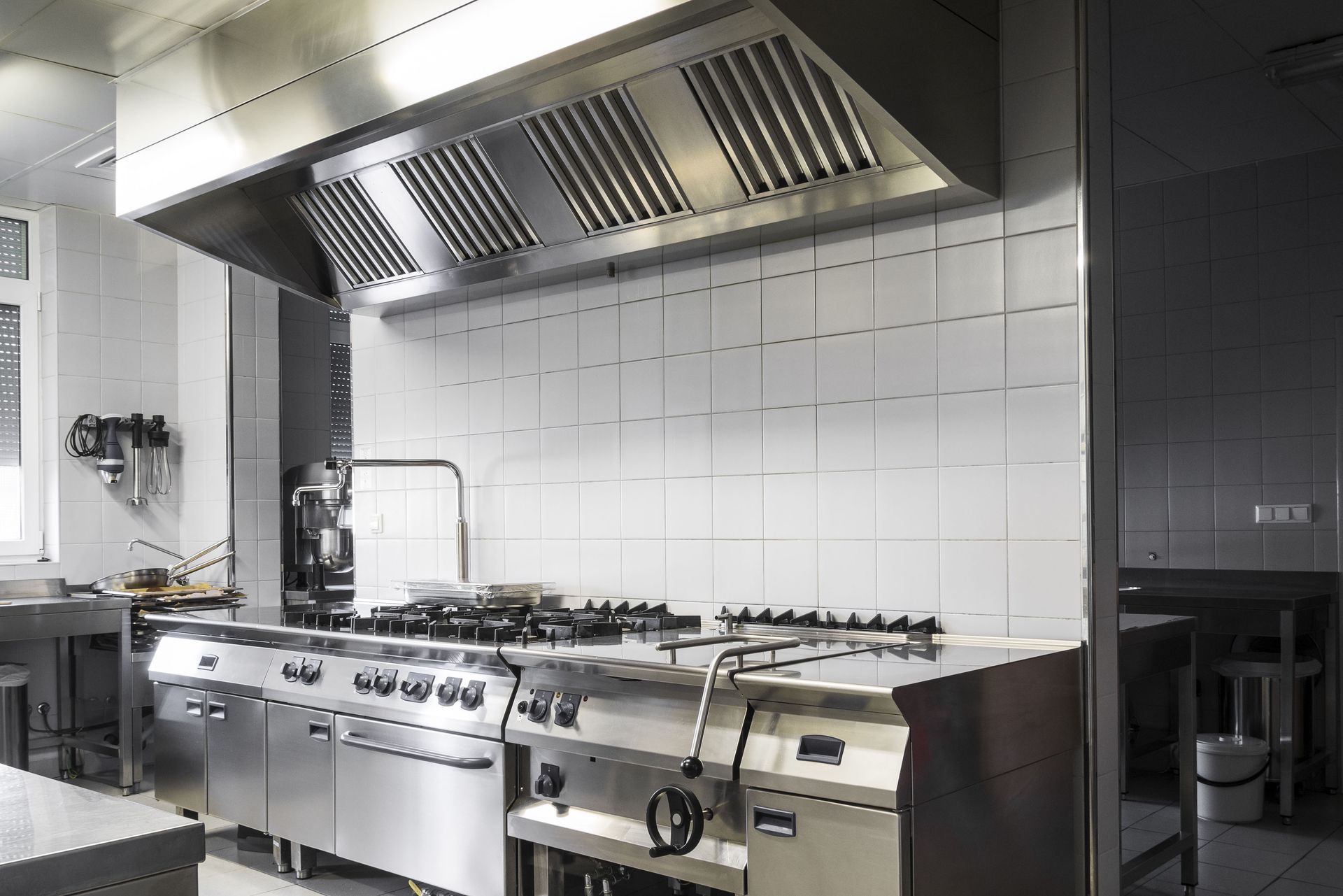
A commercial kitchen operates under fast-paced, high-demand conditions that produce significant heat, smoke, grease vapor, and airborne particles throughout every shift. As these byproducts rise from cooking surfaces, they accumulate inside the kitchen exhaust hood, ductwork, and ventilation system. Over time, this buildup not only creates serious fire hazards but also affects air quality, equipment performance, and compliance with health and safety regulations. Routine kitchen hood cleaning is essential for maintaining a safe, efficient, and sanitary kitchen environment. Without regular servicing, even the most well-managed restaurant can face preventable risks that disrupt operations and compromise the wellbeing of employees and customers. Understanding the importance of consistent maintenance helps commercial kitchens stay compliant, reduce hazards, and improve overall performance.
Reducing Fire Hazards Through Proper Grease Removal
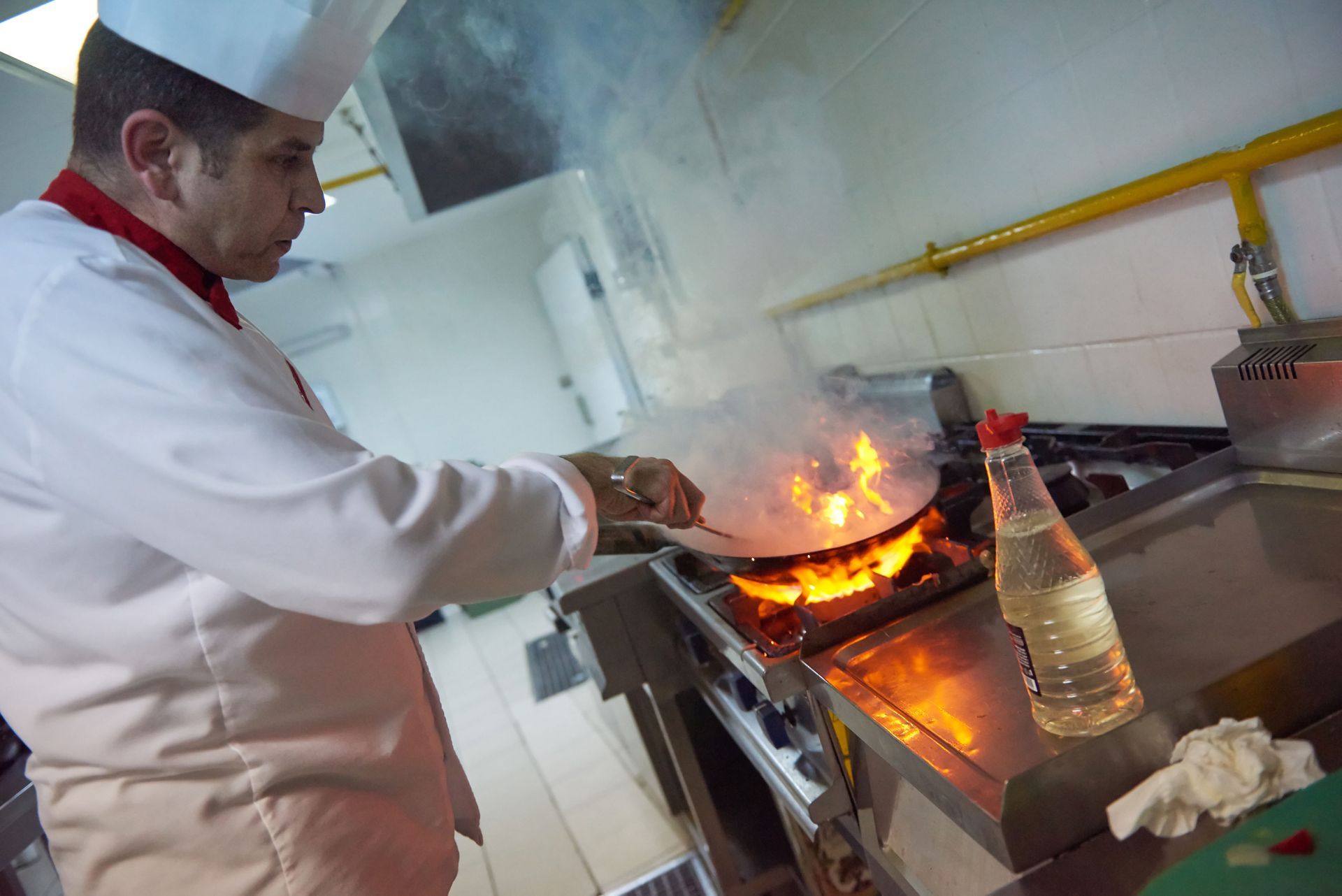
The most urgent reason commercial kitchens schedule routine kitchen hood cleaning is to reduce fire risk. Grease accumulates quickly inside exhaust hoods, filters, and ducts, forming flammable layers that can ignite with little warning. Because kitchens rely on open flames, high heat, and constant cooking, even a small spark can trigger a fire when grease buildup is present. Routine cleaning removes this accumulation before it becomes dangerous, significantly decreasing the likelihood of a fire spreading through the ventilation system.
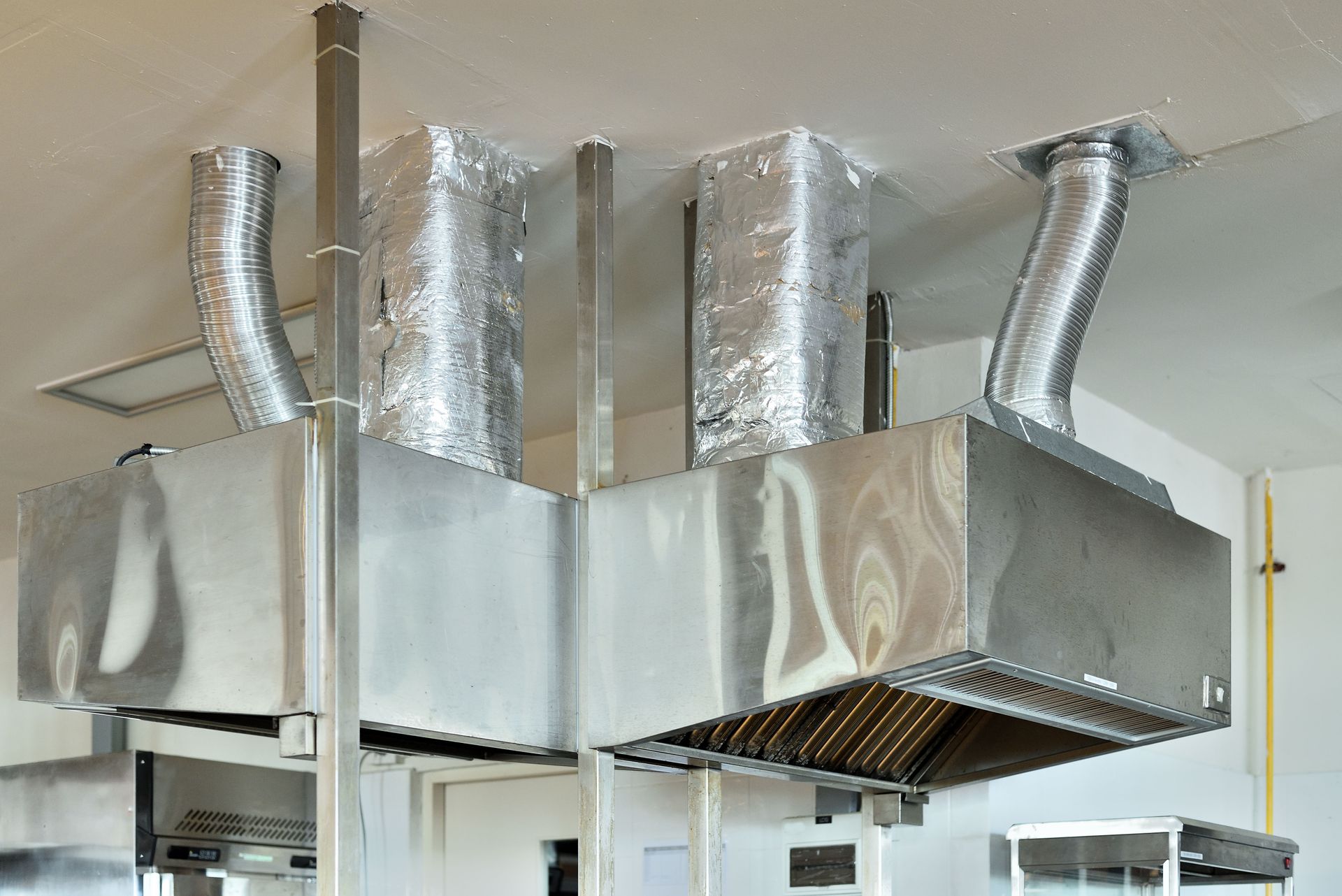
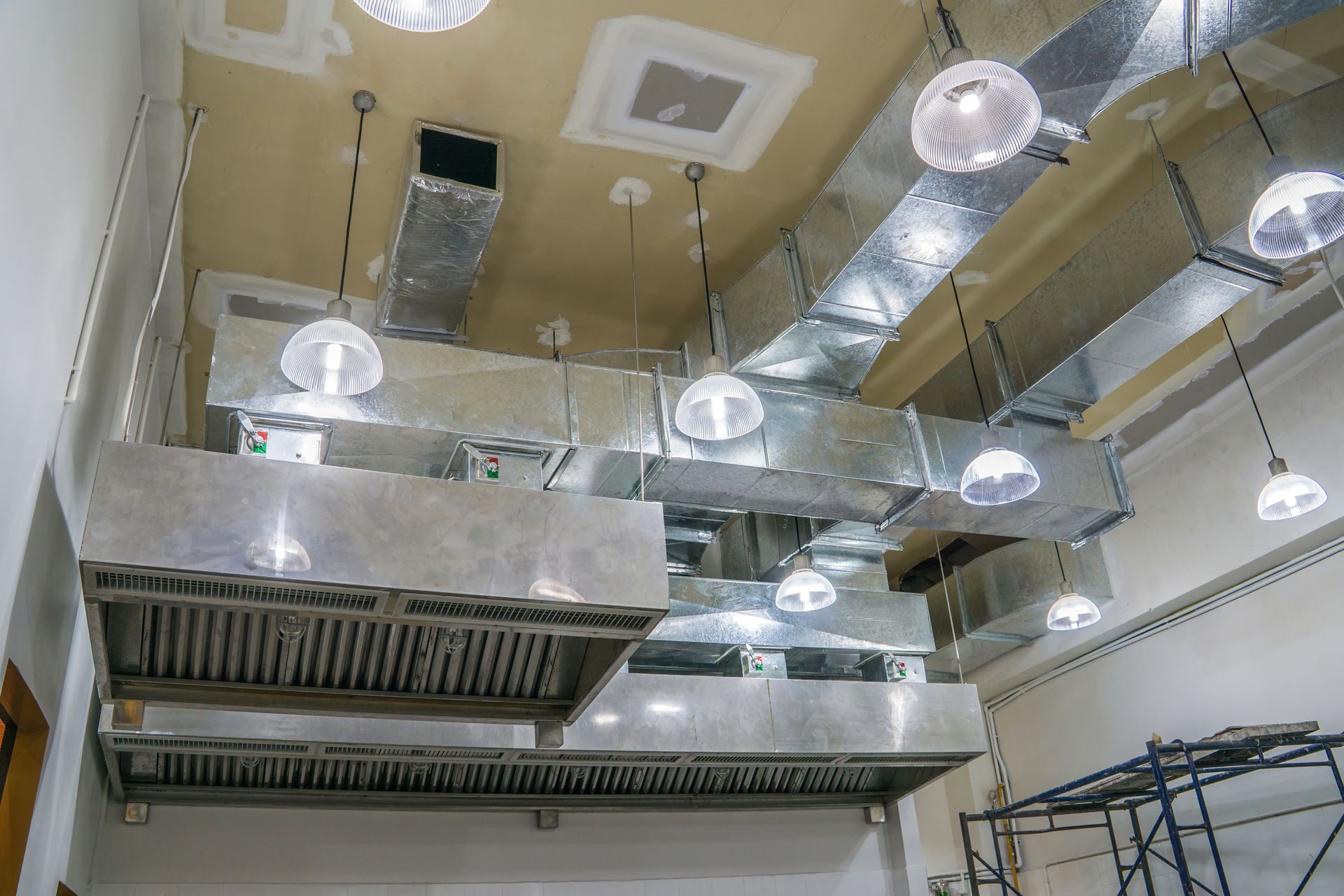
Kitchen ventilation systems are particularly vulnerable to hidden grease deposits. While surfaces such as filters and hood interiors collect visible residue, the ductwork behind the hood often holds the most dangerous buildup. Grease coating the inside of ducts can burn rapidly, causing flames to travel through the vent system and into other parts of the building. Professional cleaning ensures that these hidden areas receive focused attention, removing grease that cannot be reached through surface-level wiping or kitchen staff maintenance.
Maintaining a clean hood system also helps sustain safe airflow. When grease begins to block vents, it restricts the ventilation system’s ability to remove heat and smoke. Restricted airflow increases temperatures around cooking equipment, elevates the risk of flare-ups, and allows grease particles to linger in the air. By prioritizing routine kitchen hood cleaning, commercial kitchens protect employees, customers, and property from preventable fire hazards that can lead to devastating outcomes.
Supporting Compliance With Health, Safety, and Insurance Standards
Commercial kitchens must follow strict guidelines set by fire marshals, health departments, building inspectors, and insurance providers. These regulations exist to ensure that ventilation systems operate safely and maintain hygienic conditions for food preparation. Routine kitchen hood cleaning helps restaurants remain in compliance with these requirements, avoiding fines, penalties, and potential closures.
Many local and national fire codes require kitchens to clean their hoods and ducts at specific intervals depending on cooking volume. High-volume establishments such as fast-food restaurants typically need more frequent service, while lower-volume kitchens may require less frequent cleaning. A certified professional can evaluate grease accumulation and recommend a schedule that aligns with regulatory standards.
Insurance companies also depend on consistent maintenance to reduce fire risk and validate coverage. Failure to perform required cleaning can lead to denied claims in the event of a fire. Maintaining documentation of professional cleaning services not only proves compliance but also supports insurance protection and financial security.
Health inspectors evaluate cleanliness across the kitchen, including ventilation areas. A dirty hood system can contribute to poor indoor air quality, grease residue on nearby surfaces, and unsanitary environmental conditions. Routine cleaning helps prevent such violations and demonstrates a commitment to safe and responsible food service operations.
As demand for these services increases, the market continues to grow. According to IndustryARC, the U.S. market for hood cleaners is projected to reach $437.1 million by 2027, driven by increasing demand for kitchen exhaust cleaning across both residential and commercial settings. This trend highlights the industry-wide recognition of how critical proper ventilation maintenance has become for safety and compliance.
Improving Air Quality and Creating a Healthier Work Environment
Ventilation systems play a major role in maintaining indoor air quality. Without routine kitchen hood cleaning, airborne contaminants such as smoke, steam, grease particles, and odors accumulate, making the kitchen environment less comfortable and potentially unsafe for staff. Poor air quality can cause headaches, respiratory irritation, and fatigue among employees, impacting productivity and job satisfaction.
When vents are clogged, the exhaust system must work harder to pull air through the hood. This strain reduces its ability to remove heat effectively, causing temperatures in the kitchen to rise. Excess heat contributes to an uncomfortable and stressful environment, especially during long, busy shifts. Clean ventilation improves airflow, allowing the exhaust system to remove smoke and heat quickly and efficiently.
For customers, clean air in both the kitchen and dining rooms contributes to a more pleasant dining experience. Odors from heavy grease accumulation can travel through the building, leaving lasting negative impressions. Routine kitchen hood cleaning prevents these issues, supporting a healthier and more enjoyable space for both employees and guests.
Extending Equipment Lifespan and Improving System Efficiency
A well-maintained ventilation system operates more efficiently and lasts significantly longer than a neglected one. Grease buildup forces fans, motors, and ductwork to work harder, increasing energy consumption and leading to premature wear. Routine kitchen hood cleaning helps maintain peak efficiency, allowing the system to perform its job without strain.
Filters, fan blades, and ducts clogged with grease reduce the exhaust system’s ability to pull air from the kitchen. This inefficiency increases operating costs as the system consumes more electricity to compensate for the obstruction. Regular cleaning keeps the system running smoothly, lowering energy usage and reducing monthly utility bills.
By preventing excess wear on mechanical components, cleaning also extends equipment lifespan. Replacing exhaust fans, motors, or ductwork can be extremely costly. Regular maintenance protects these components, delaying replacement and reducing long-term operational expenses.
In addition to ventilation equipment, clean hoods help protect other kitchen appliances. Grease that escapes the exhaust system may settle on ranges, ovens, and prep surfaces, causing them to work harder or deteriorate faster. Routine kitchen hood cleaning ensures that grease is removed at the source, helping protect the entire kitchen ecosystem and preserving the investment made in high-quality equipment.
Increasing Operational Efficiency and Preventing Unexpected Downtime
Unplanned maintenance and emergency repairs can disrupt restaurant operations and result in lost revenue. Routine kitchen hood cleaning minimizes the risk of unexpected breakdowns, ensuring that the ventilation system remains reliable during busy periods. When equipment operates effectively, kitchens experience fewer interruptions, smoother workflows, and more predictable service.
A clean exhaust system also contributes to faster cooking and improved overall kitchen efficiency. When heat and smoke are removed quickly, staff can work comfortably and confidently, especially during peak hours. This improved performance enhances customer satisfaction by supporting timely food preparation and consistent quality.
Routine cleaning also helps identify potential issues early. Professional cleaning teams often inspect the entire hood and duct system during service, spotting worn components or developing problems that require repair. Early detection prevents minor concerns from escalating into major failures that disrupt business operations.
By prioritizing routine kitchen hood cleaning, commercial kitchens maintain a predictable schedule, limit emergency expenses, and ensure that staff can work in a safe, efficient, and comfortable environment. This proactive approach strengthens long-term productivity and supports the overall success of the establishment.
Routine kitchen hood cleaning is essential for maintaining safety, efficiency, compliance, and long-term kitchen performance. By reducing fire hazards, improving air quality, supporting equipment longevity, and preventing operational disruptions, routine cleaning strengthens the overall functionality of the commercial kitchen. Through consistent maintenance and professional support, every commercial kitchen can operate reliably, safely, and confidently year-round. Call Sun Devil Hoods & Exhaust Cleaning today to schedule your kitchen hood or exhaust cleaning service.
Share On: