
11 Signs You Need Professional Kitchen Exhaust Cleaning Services
Maintaining a commercial kitchen requires constant vigilance over safety protocols, equipment sanitation, and ventilation efficiency. The exhaust system plays a critical role in this dynamic, extracting heavy airborne grease, heat, and steam away from active cooking stations. However, when these invisible vapors cool down, they leave behind highly flammable residue layers throughout the duct network. Ignoring this hidden accumulation creates severe fire hazards, compromises indoor air quality, and invites expensive health department citation penalties. Recognizing the physical warning indicators that your ventilation core is compromised allows you to schedule timely interventions. Booking professional kitchen exhaust cleaning keeps your food service business operating smoothly, safely, and efficiently.
1. Observing Thick Grease Accumulation on Baffle Filters
Inspecting the removable metal grates situated directly above your range tops is the easiest way to gauge systemic contamination. These specialized metal barriers are engineered to capture heavy vaporized lipids before they can enter the deeper exhaust ductwork. When these steel slots become choked with sticky, yellow-brown gunk, they can no longer trap incoming particles effectively. This failure forces raw grease deeper into the hard-to-reach areas of your building's upper ventilation infrastructure. Scheduling routine kitchen exhaust cleaning ensures these initial filtration elements are completely stripped of sticky residue, allowing your hood to draw air without restriction.
2. Hearing Excessive Fan Noise and Motor Strain
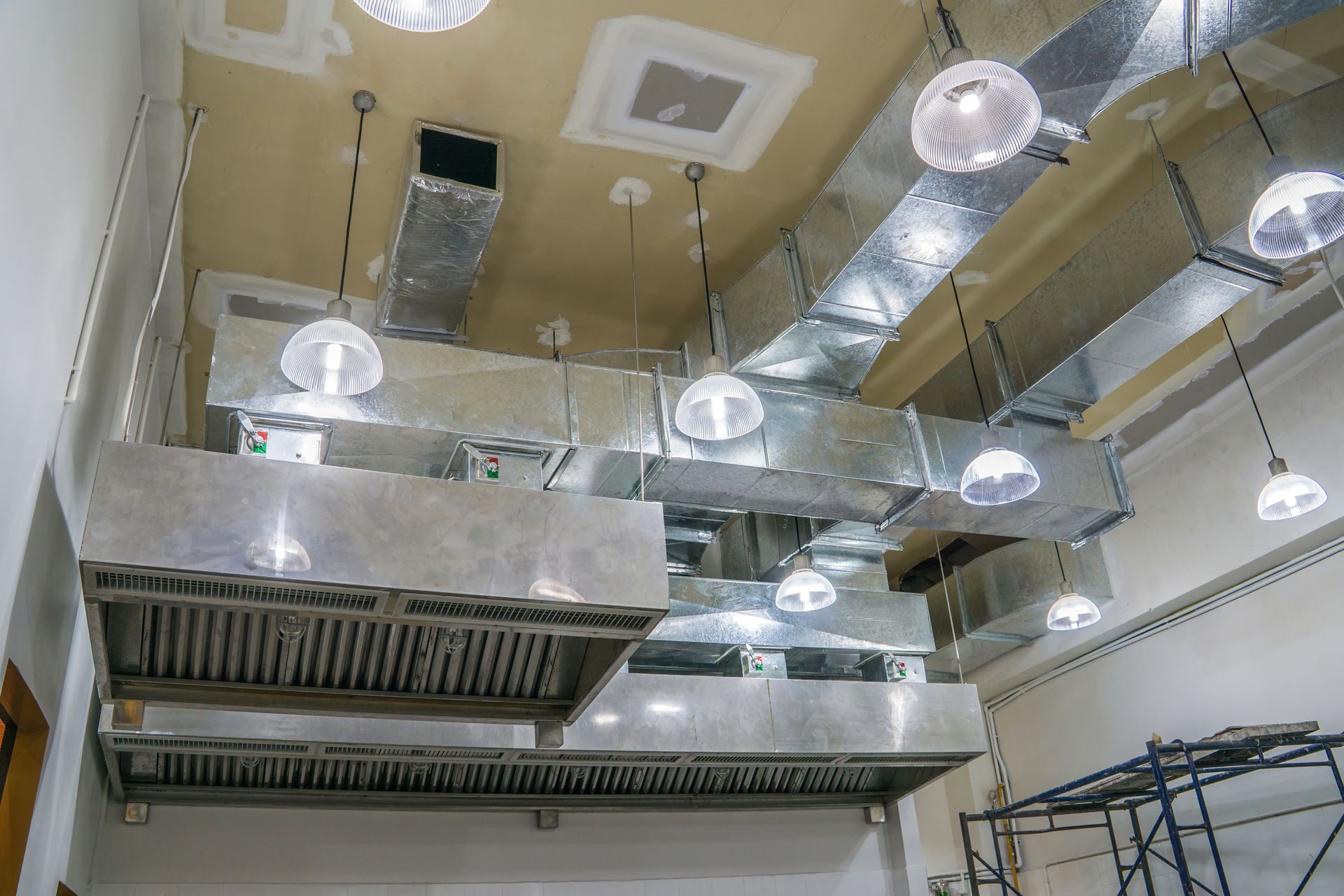
Listening closely to the acoustic pitch of your ventilation system can reveal serious underlying mechanical friction. When heavy, uncleaned grease coats the fan blades located on your roof, it throws the entire assembly out of balance. This physical imbalance forces the drive motor to work significantly harder, producing loud, rhythmic humming, scraping, or rattling sounds. According to This Old House, operating your kitchen exhaust on its minimum setting usually generates less than 1 sone of noise, while maximum speeds can produce 10 sones or higher. If your system screams constantly, securing kitchen exhaust cleaning will restore optimal mechanical balance immediately.
3. Sensing Lingering Cooking Odors Inside the Dining Room
Detecting stubborn, stale grease smells inside your public seating area indicates that your air circulation loop is failing. When a ventilation system is clean, it pulls food odors away from the dining room, exhausting them safely outside. However, when the duct pathways are restricted by thick, sticky carbon deposits, the airflow capacity drops off precipitously. This stagnation allows heavy cooking fumes, vaporized oils, and stale food odors to migrate directly into customer spaces. Investing in systematic kitchen exhaust cleaning restores the powerful negative pressure needed to isolate kitchen smells, keeping your dining atmosphere completely fresh.
4. Noticing Sticky Grease Dripping From Hood Seams
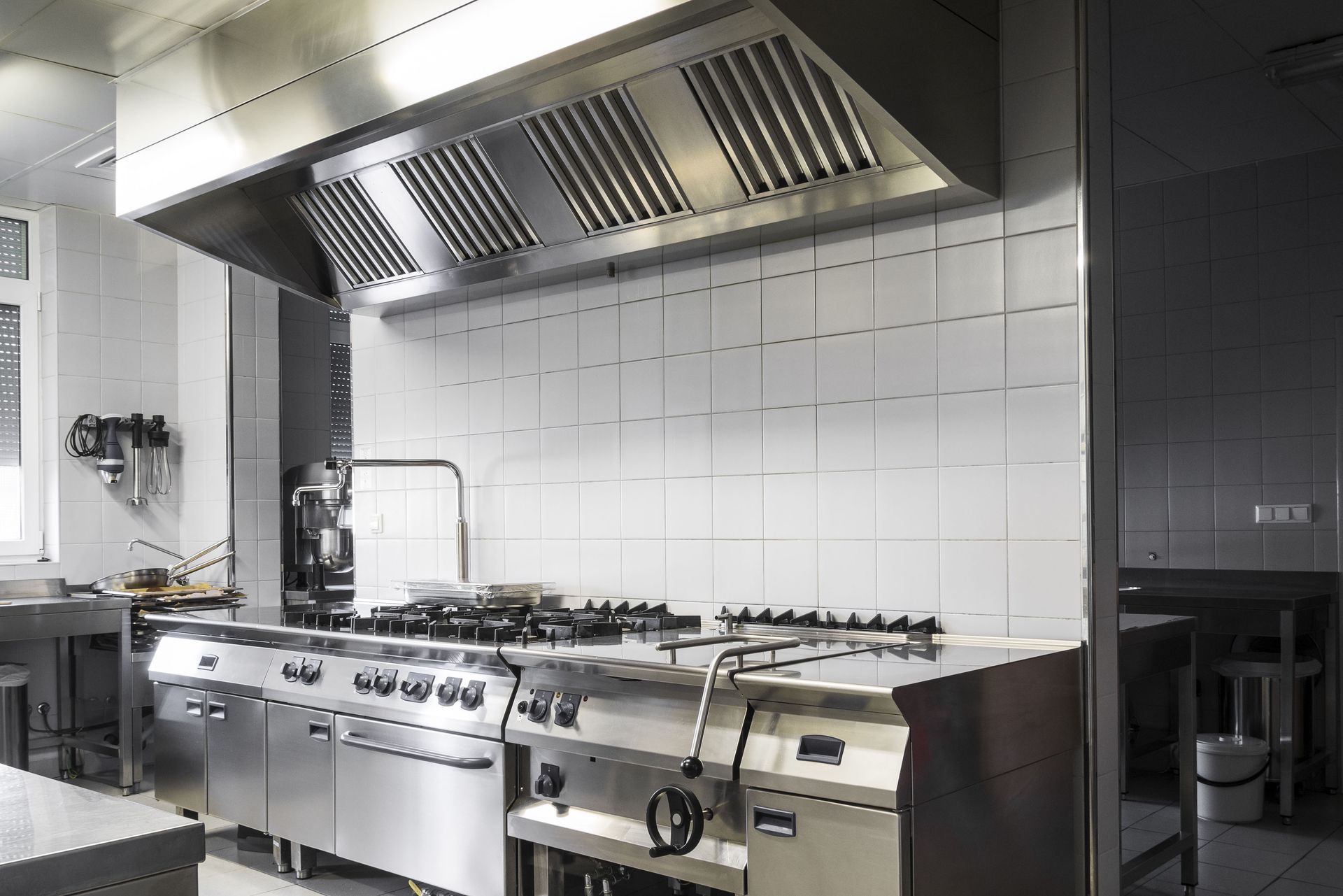
Spotting dark, oily droplets weeping from the corners or joints of your stainless steel hood canopy is a critical warning. This dripping indicates that the internal grease collection cups are completely overflowing, and the ducts are saturated with liquefied oil. When grease escapes through structural seams, it can easily drip back down onto hot cooking surfaces, food preparation lines, and active staff members. This presents an immediate threat of chemical contamination and high-temperature flash fires over open flames. Professional kitchen exhaust cleaning extracts this hazardous pooled oil, completely sealing your cooking zone against dangerous structural leaks.
5. Experiencing Poor Smoke Extraction and Hazy Kitchen Air
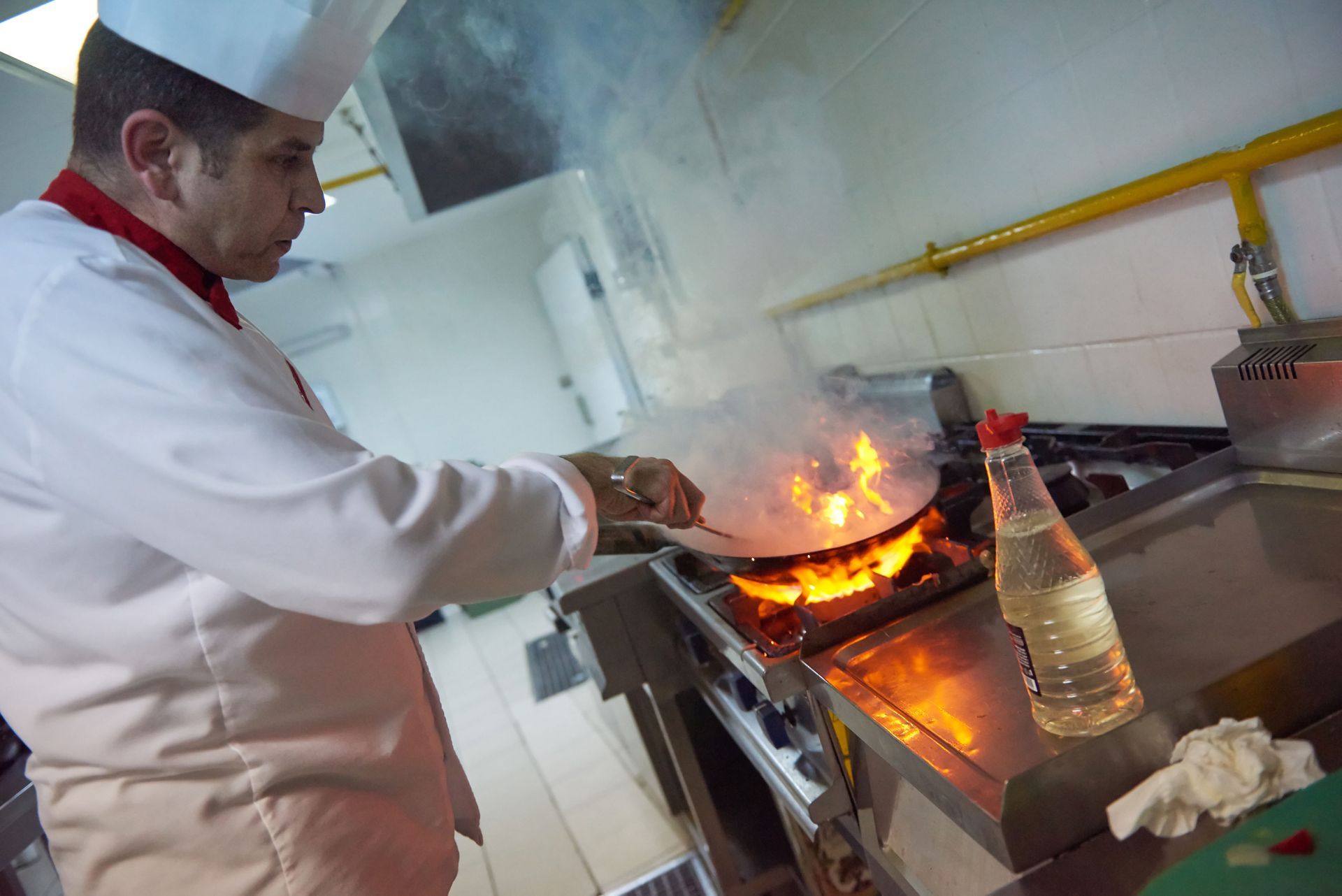
Working inside a foggy, smoke-filled culinary environment suggests that your extraction fan is no longer operating at peak velocity. When carbon buildup constricts the physical diameter of your exhaust flue, the volume of air the system can move drops dramatically. This restriction causes heavy smoke and heat to pool around the line, creating hot, stuffy, and highly uncomfortable conditions for your cooking staff. This atmospheric haze can cause eye irritation, chronic coughing, and dangerous distraction during busy dinner rushes. Booking a thorough kitchen exhaust cleaning clears these internal blockages, instantly restoring a clean, clear working environment.
6. Discovering Roof Damage and External Grease Pooling
Climbing up to your building's roof to inspect the exhaust fan assembly can reveal hidden, highly destructive environmental damage. When the roof-mounted grease containment box overflows, raw animal fats and cooking oils pool directly onto your roofing membrane. These acidic petroleum compounds rapidly degrade rubber shingles, dissolve roofing tar, and cause severe wood rot in the underlying structural deck. This quiet destruction can eventually lead to catastrophic roof leaks and expensive structural collapses during heavy winter snowstorms. Regular kitchen exhaust cleaning prevents these costly external overflows, keeping your building envelope completely secure and watertight.
7. Facing Impending Health Department Inspections and Code Audits
Preparing your food service establishment for rigorous local health inspections requires absolute cleanliness across your entire physical footprint. Regulatory inspectors prioritize the inspection of your hood systems, checking for sticky fire hazards and looking for proof of certified maintenance. Failing to show updated service decals can result in immediate, non-negotiable fines, point deductions, or the complete suspension of your business license. Partnering with a certified company for your scheduled kitchen hood exhaust cleaning ensures your facility remains in absolute alignment with strict local, state, and NFPA fire prevention guidelines.
8. Recognizing Increased Utility Bills and Reduced Fan Efficiency
Tracking sudden, unexplained increases in your monthly facility electricity expenses can point directly to a clogged ventilation core. When heavy grease layers coat the internal extraction blades and duct curves, they create immense aerodynamic drag within the system. This resistance forces the ventilation motor to draw significantly more electrical current just to maintain baseline air movement speeds. Over time, this constant electrical draw inflates your fixed operational costs, eroding your business's hard-earned weekly profit margins. Incorporating routine kitchen hood exhaust cleaning optimizes system aerodynamics, allowing your equipment to run cooler while utilizing substantially less energy.
9. Noticing Yellow or Weak Pilot Flames on Range Tops
Observing lazy, flickering yellow flames on your gas burners indicates that your kitchen lacks proper oxygenation and fresh air replacement. A highly restricted hood system fails to exhaust combustion byproducts, disrupting the delicate air-to-fuel ratio required by your gas appliances. This imbalance results in incomplete combustion, which produces high levels of dangerous carbon monoxide and wastes expensive natural gas. Ensuring your system undergoes complete kitchen hood exhaust cleaning restores correct atmospheric circulation, allowing your gas appliances to burn with hot, efficient blue flames. This diagnostic step improves kitchen safety while reducing fuel waste.
10. Experiencing Frequent Air Conditioning Failures in Summer
Managing comfortable indoor dining temperatures during hot summer heatwaves becomes nearly impossible when your exhaust system is choked. When the hood cannot draw hot air out of the kitchen, that extreme heat spills over into the guest spaces. This extra heat load forces your expensive central air conditioning units to run continuously without ever cycling off. This continuous operation leads to frozen evaporator coils, premature compressor failures, and highly uncomfortable dining experiences for your paying guests. Securing timely kitchen hood exhaust cleaning removes the excess heat at the source, shielding your air conditioners from expensive mechanical failures.
11. Seeing Black Carbon Dust Accumulating on Ceilings
Spotting fine, black carbon dust gathering on the ceiling tiles and walls surrounding your hood indicates active exhaust back-drafting. When the fan can no longer push exhaust air out of the building, carbon-laden soot begins to settle inside your kitchen. This falling soot can easily land on freshly plated meals, sanitized countertops, and clean cooking utensils, presenting severe food safety risks. These dark stains also ruin your kitchen's aesthetic presentation, requiring expensive painting and constant manual scrubbing to keep it looking clean. Professional kitchen hood exhaust cleaning eliminates this back-drafting, keeping your walls and food completely clean.
Optimizing your commercial cooking environment through systematic ventilation hygiene stands as a fundamental pillar of successful food service management. From preventing catastrophic grease fires inside your ductwork to keeping your dining room entirely free of stale food odors, the benefits are clear. By avoiding expensive municipal code violations, protecting your roof from acidic oil damage, and reducing energy bills, you successfully maximize your business's profit margins. Scheduling your regular kitchen hood exhaust cleaning with certified specialists ensures your facility remains safe, clean, and completely ready to welcome hungry guests for years to come. Are you seeking a team of professionals to perform kitchen exhaust cleaning in the state of Arizona? Sun Devil Hood & Exhaust Cleaning has you covered! Call today to request a free estimate.

Share On: