
Don't Cause a Fire in Your Industrial Kitchen
Industrial kitchens are bustling environments where safety must be the top priority. Fires can cause devastating damage, endanger lives, and halt business operations. In facilities that process high volumes of food, a single spark can interact with vaporized grease, triggering a catastrophic event. Because of these unique high-temperature environments, managers must understand that fire prevention requires a multi-layered approach, ranging from deep structural cleaning to continuous employee education. This comprehensive article will explore how to prevent fires in industrial kitchens, ensure a safe working environment, and implement necessary specialized services like commercial kitchen hood cleaning to maintain compliance and structural safety.
Understanding Common Fire Hazards
Misusing Cooking Equipment
Improper use of cooking equipment is a major fire hazard in industrial kitchens. Many kitchens operate at high capacity, increasing the risk of overheating or misusing appliances. Staff members need proper training on using each piece of equipment to prevent accidents. Ignoring manufacturer instructions and using cooking equipment without regard to its designed purpose can trigger fires. Routine checks for compliance with operational guidelines are essential in minimizing equipment-related fire hazards.
Accumulating Grease and Grime
The accumulation of grease and grime in kitchen environments can turn any surface into a potential ignition point. Grease fires are notoriously difficult to control once they start and can spread rapidly through the exhaust systems. Regular cleaning schedules must be implemented to prevent grease build-up on cooktops, ovens, and extraction systems. The use of proper cleaning agents that effectively dissolve grease can protect against these kinds of fires. Moreover, hiring specialized cleaning services for deep cleaning tasks, especially scheduling a professional commercial kitchen hood cleaning, can offer peace of mind and significantly lower the facility's fire risk profile.
Fixing Faulty Electrical Wiring
Faulty electrical wiring is another hidden fire hazard that poses significant risks. Worn-out wires, overloaded circuits, and improper installations can short-circuit, leading to sparks or fires. Industrial kitchens rely heavily on high-powered electrical equipment, which strains electrical systems over time. Regular electrical inspections should be scheduled to identify and rectify any potential issues. According to ReAnIn, roughly 45% of all commercial kitchen fires stem from mechanical and electrical equipment failures, a statistic that underscores the critical necessity of routine system maintenance and electrical safety checks. Engaging certified electricians for both installations and regular equipment check-ups can prevent electrical-related fires before they manifest.
Storing Flammable Materials Improperly
Proper storage of flammable materials is a vital part of fire prevention in industrial kitchens. Ingredients like cooking oils, spirits, or cleaning chemicals can be easily ignited if not stored properly. Designated storage areas should be well-ventilated and kept away from cooking and heating zones. It is crucial to label and seal all flammable substances to prevent accidental misuse. Ensuring that all staff are aware of storage regulations reduces risks associated with improper storage.
Correcting Human Error and Negligence
Human error and negligence often contribute significantly to kitchen fires. Be it leaving cooking unattended, using the wrong temperature settings, or forgetting to switch off equipment at the end of a shift, such mistakes can lead to severe incidents. Consistent training and periodic refreshers can create awareness and reduce human errors. Implementing checklists and cross-verification mechanisms can keep human negligence in check. An attentive kitchen team acts as a first line of defense against potential fire hazards.
Developing Staff Training and Maintenance Protocols
Operating Fire Safety Training Programs
A robust fire safety training program is essential for staff in industrial kitchens. These programs educate employees on the risks and teach them how to respond appropriately to fire threats. Training should include identifying potential hazards, understanding the operation of fire extinguishers, and knowing evacuation protocols. Through regular training sessions, employees can become more vigilant and better prepared to prevent fires.
Executing Safety Drills and Using Fire Extinguishers
Understanding the proper use of fire extinguishers is a fundamental skill for kitchen staff. Different types of extinguishers are used for various classes of fires, such as grease fires or electrical fires. Training sessions should include hands-on practice in handling extinguishers effectively and safely. Knowledge of extinguishers can prevent a small fire from becoming a destructive blaze. Additionally, regular safety drills are necessary to ensure staff readiness and coordination during an actual fire emergency.
Cleaning Ventilation Systems Regularly
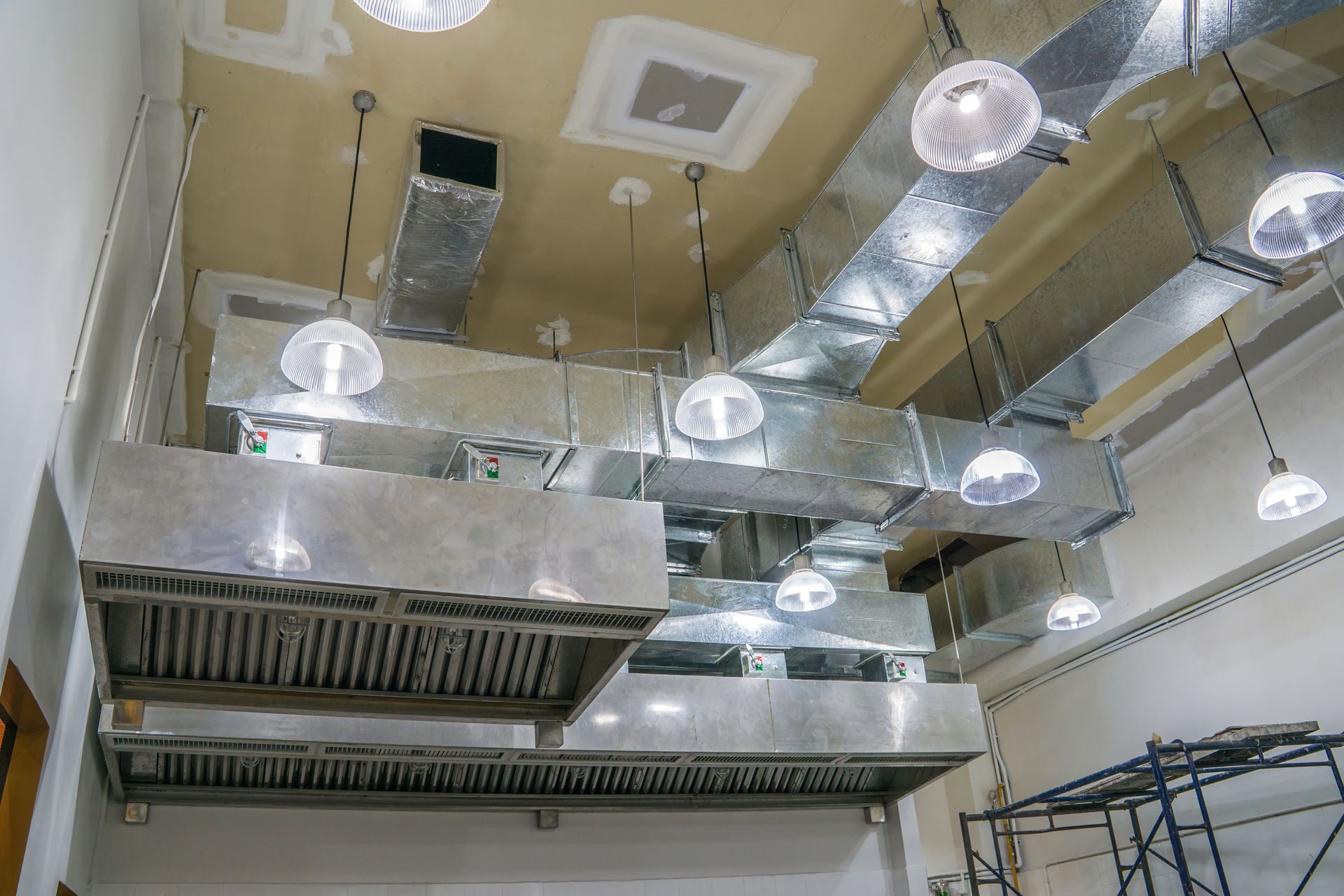
Cleaning ventilation systems should be part of regular maintenance to keep industrial kitchens safe. Grease and particulate matter can accumulate deep within ducts and hoods, creating severe, hidden fire hazards. To mitigate this danger, management must hire certified professionals to perform comprehensive commercial kitchen hood cleaning on a routine basis. Ventilation systems should be cleaned and serviced annually or as required, based on usage frequency and local fire codes. Proper airflow reduces the risk of overheating and helps safely ventilate smoke and cooking fumes.
Furthermore, investing in regular commercial kitchen hood cleaning ensures that hidden fuel sources within the ductwork are eliminated before they can be ignited by a stray spark from the line. Failing to perform this specific maintenance step is one of the leading causes of uncontainable commercial structure fires.
Servicing Fire Suppression Systems Regularly
Regular servicing of fire suppression systems is a critical component of fire prevention strategies. These systems are installed to automatically activate and extinguish fires as soon as they are detected, usually by releasing liquid chemical agents over the cooking line. However, neglecting routine servicing can render them ineffective or lead to system failures when they are needed most. Equipment malfunctions are behind 45% of kitchen fires, underscoring the importance of rigorous maintenance. Engaging qualified technicians to perform regular checks, inspect nozzles, and calibrate systems is essential to ensure they function correctly.
Layouting Fire Safety Plans and Handling Incidents
Designing a Fire-Resilient Kitchen Layout
Optimizing kitchen workflow to integrate fire safety measures is crucial for creating a resilient environment. The layout should actively avoid congestion around cooking areas, dishwashing stations, or exits to minimize potential hazards. Strategic placement of safety equipment increases response speed and overall efficiency in emergencies. Equipment such as fire extinguishers, first aid kits, pull stations, and emergency exits should be easily accessible from key kitchen areas. Designing kitchens with accessible exits is non-negotiable in fire safety planning. Exits should be clearly marked with illuminated signs, remain completely unobstructed, and lead directly to safe outdoor spaces.
Handling Incidents Efficiently
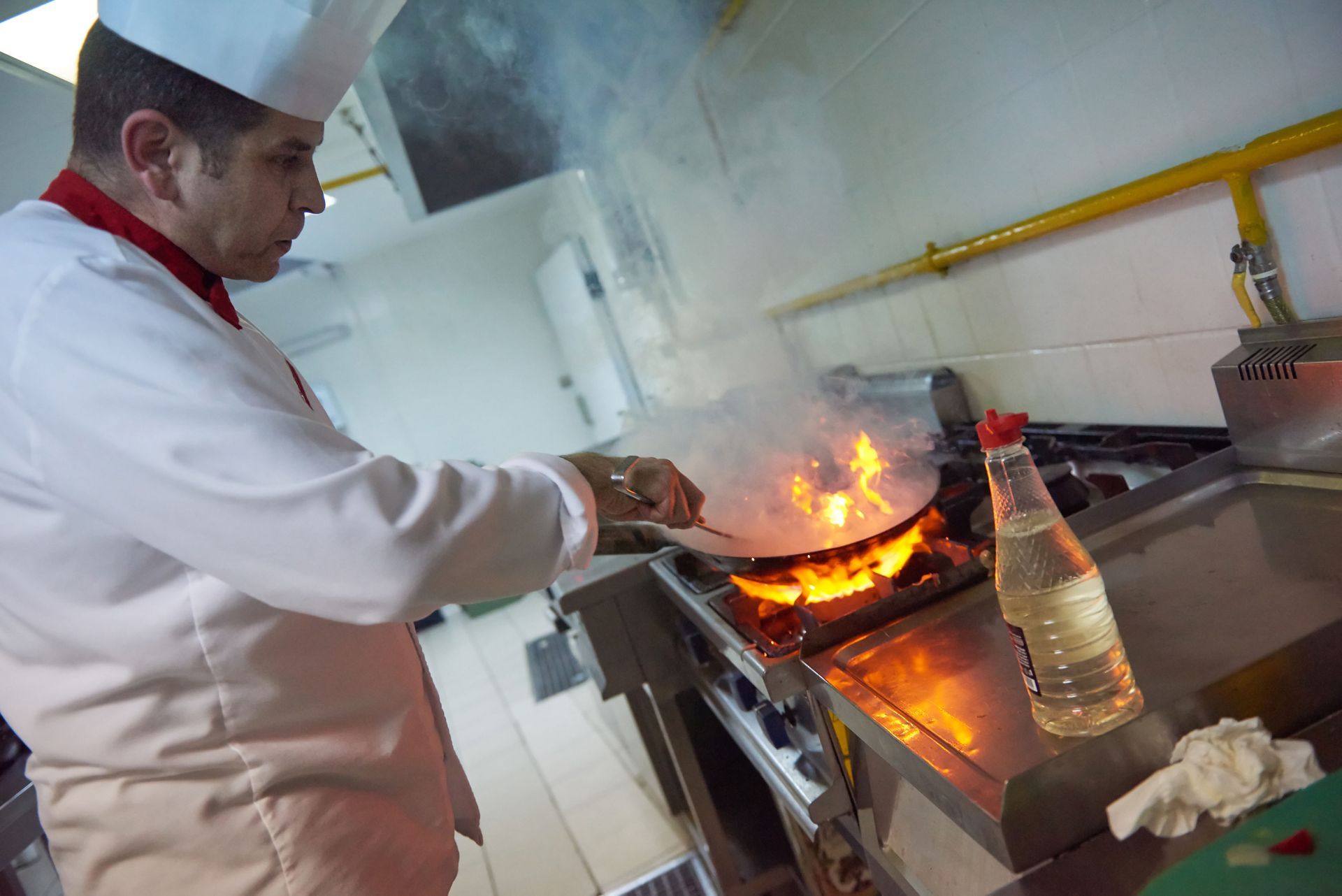
Identifying the different types of fires is critical for preventing escalation and applying the right extinguishing method. Kitchen fires can originate from grease, electrical sources, or chemical reactions, each requiring a specific suppression technique. Prompt identification empowers staff to activate proper suppression systems, slows fire progression, and prevents the usage of dangerous, incorrect extinguishing agents. Key response actions include using the correct type of extinguisher, notifying the appropriate authorities, and executing evacuation protocols immediately.
Preventing fires in industrial kitchens is critical to ensuring the safety and efficiency of the workspace. By understanding hazards, training staff thoroughly, maintaining equipment through commercial kitchen hood cleaning, implementing protocols, designing safe layouts, and effectively managing incidents, kitchen operators can create a fire-safe environment.
Ultimately, true safety relies on a consistent cleaning regimen. Neglecting foundational upkeep inside the exhaust vents creates an environment where structural fires become inevitable. To ensure your facility remains fully compliant with fire codes and protected against exhaust-system disasters, restaurant owners must routinely schedule a certified
commercial kitchen hood cleaning. Taking this single defensive step guarantees that your ventilation infrastructure is free of dangerous fuel sources, keeping your business operational and your staff protected by partnering with Sun Devil Hoods & Exhaust Cleaning.

Share On: