
Reduce Fire Risks: Choose a Kitchen Hood Cleaner
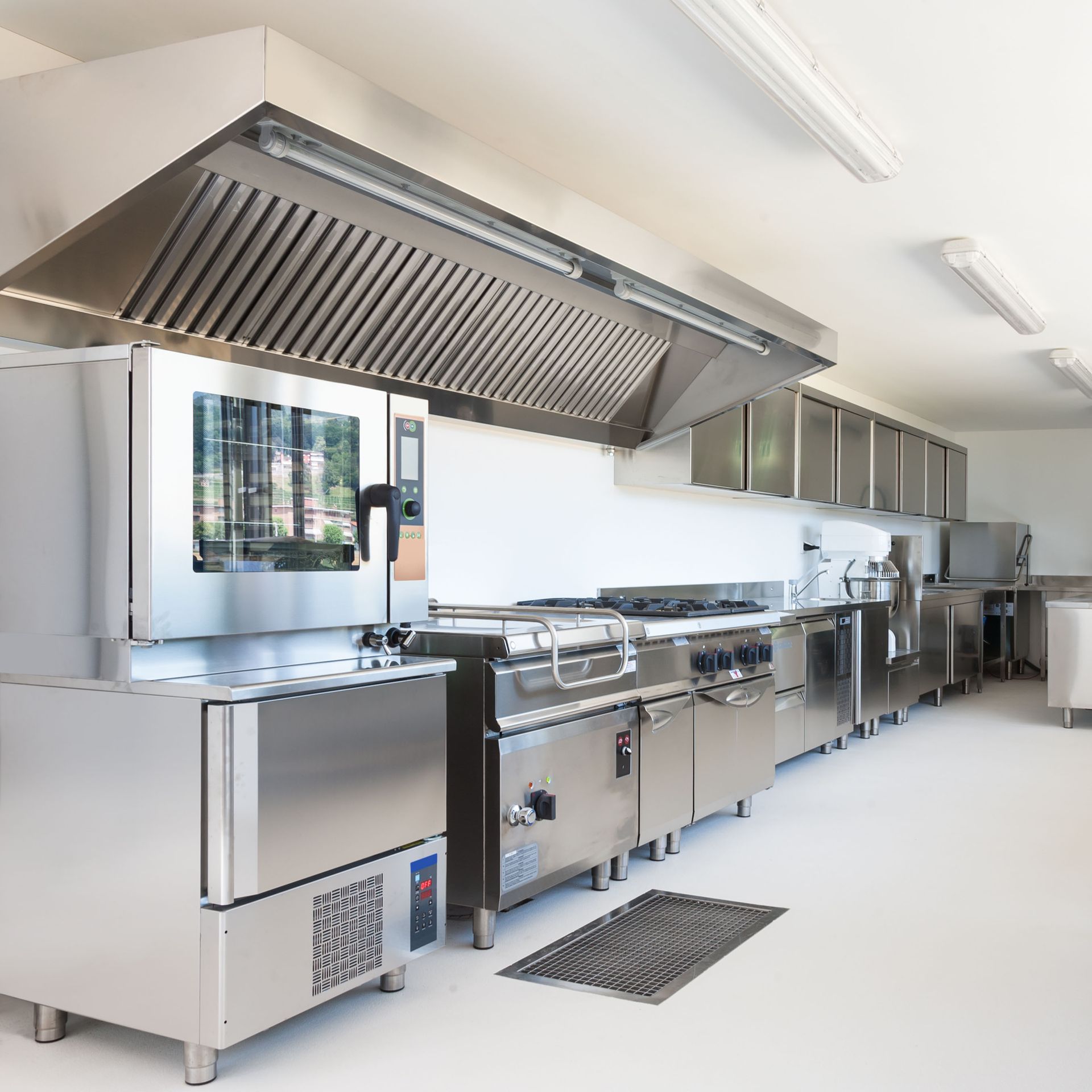
Maintaining a spotless, secure commercial kitchen environment is a fundamental responsibility for any food service operator. Among the various daily safety protocols, minimizing structural fire hazards stands out as a top priority, particularly concerning the hazardous grease accumulation that naturally occurs inside exhaust systems. Selecting a qualified kitchen hood cleaner is a vital step toward establishing a secure cooking environment that protects your staff, guests, and physical property from catastrophic damage.
Commercial kitchens naturally generate substantial amounts of heat, heavy smoke, and vaporized oil during routine daily cooking operations. When these airborne elements enter the ventilation system, they pose a continuous threat to the entire facility if left unmanaged by professionals. By understanding the specific operational threats associated with exhaust systems and learning how to evaluate external service providers, you can make an informed choice that ensures long-term operational safety and regulatory compliance across your entire commercial establishment.
Understand Fire Risks Associated with Kitchen Hoods
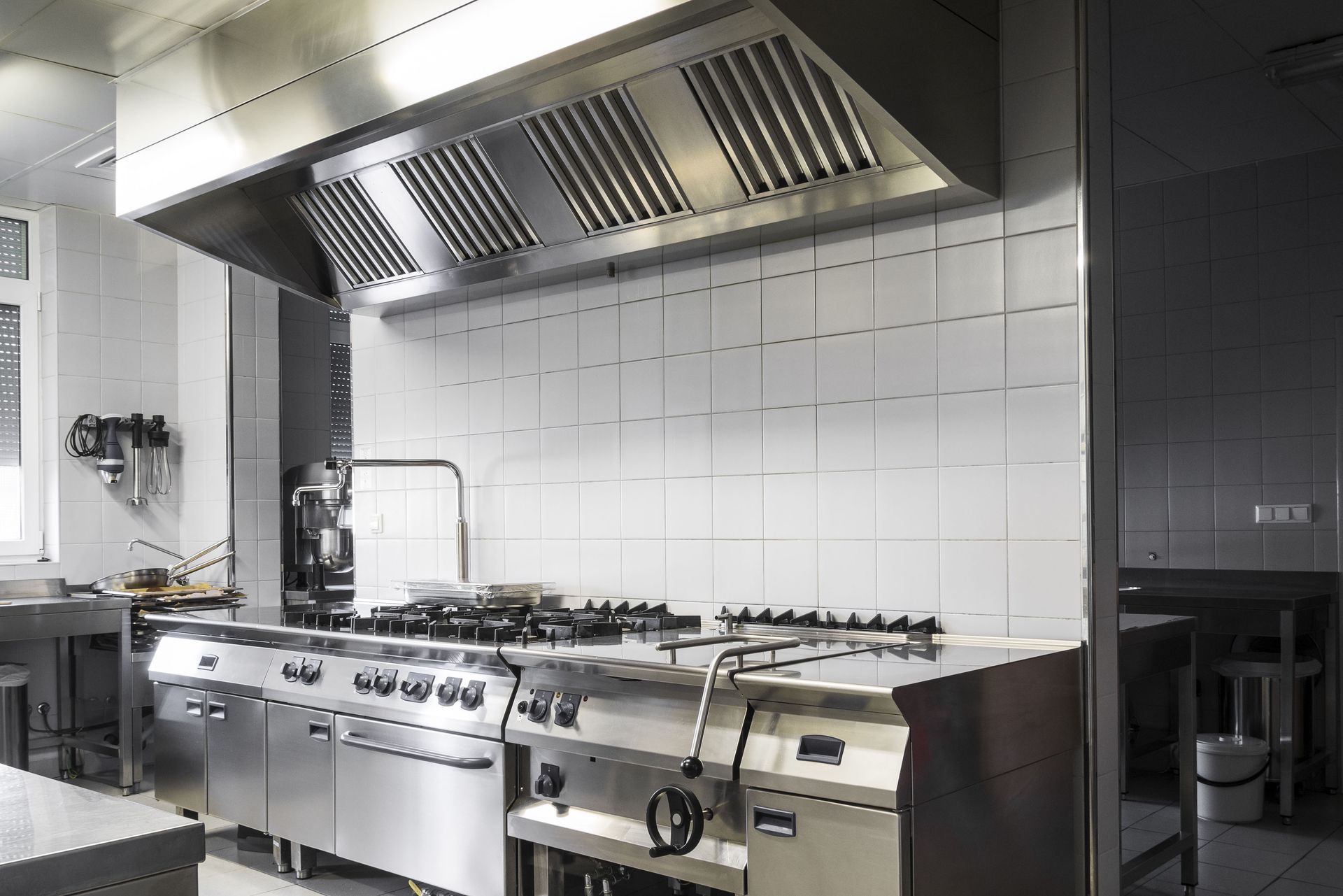
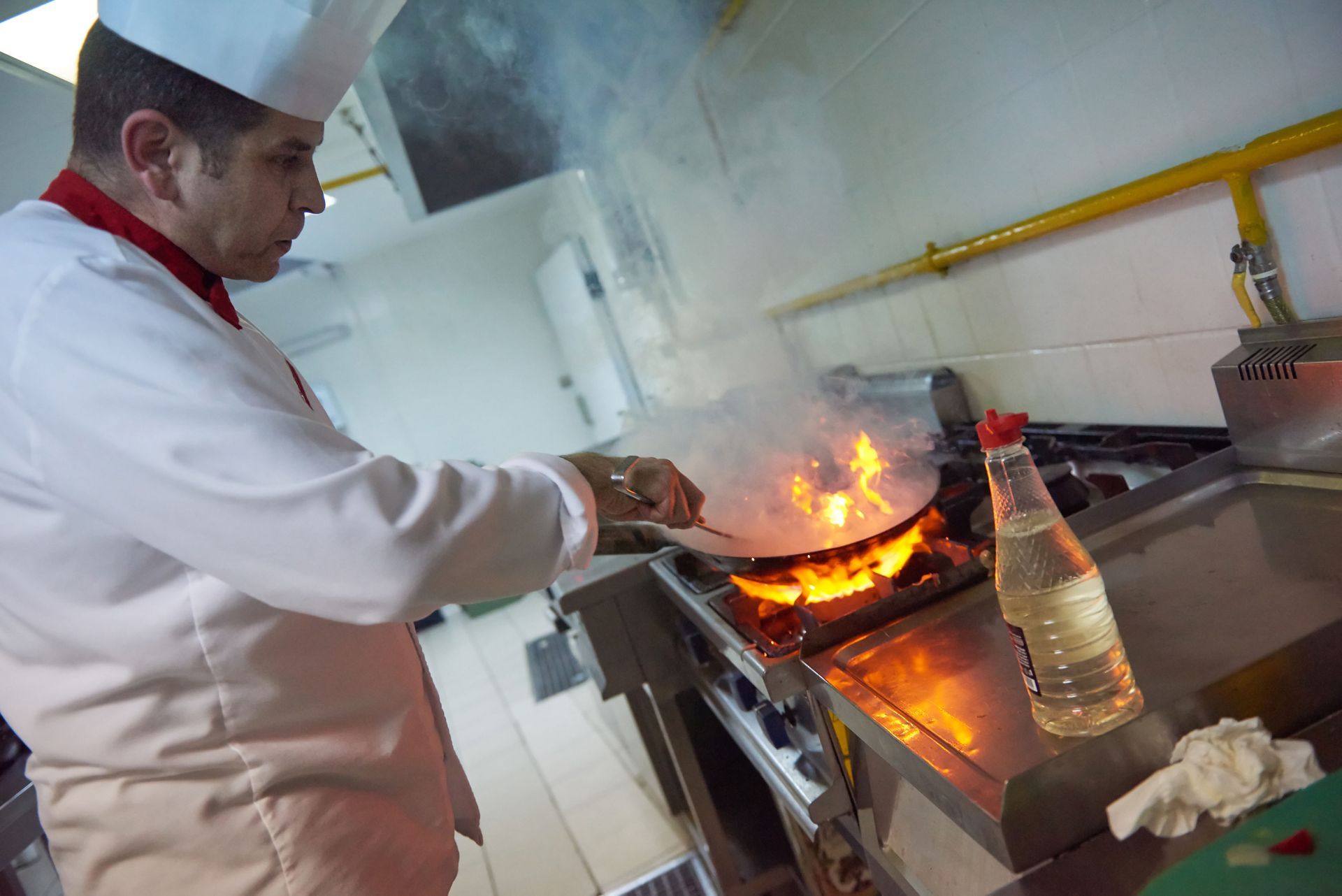
Dangerous grease accumulation represents a significant, invisible threat in busy food service environments. Over extended operational periods, airborne cooking oils and vaporized fats adhere firmly to the internal surfaces of ventilation hoods. This volatile build-up acts as a highly flammable fuel source waiting for a single ignition spark. High temperatures generated by cooking lines can easily cause this congealed residue to ignite, sparking a rapid, destructive blaze that spreads through the ventilation ductwork. Routine maintenance by a certified kitchen hood cleaner remains the most reliable defense against these hidden operational hazards.
Neglecting routine system maintenance and relying on superficial cleaning methods are primary catalysts for commercial kitchen fires. When grease deposits accumulate inside exhaust ducts, the structural fire hazard intensifies dramatically. This neglect compromises the integrity of safety systems designed to control sudden emergencies. According to HMIC, nearly 30% of fire suppression systems do not activate when a fire occurs, and neglecting routine maintenance accounts for 44% of these operational failures. These preventable incidents can jeopardize your business standing and lead to severe insurance penalties or completely dropped coverage.
Realize the Benefits of Professional Maintenance
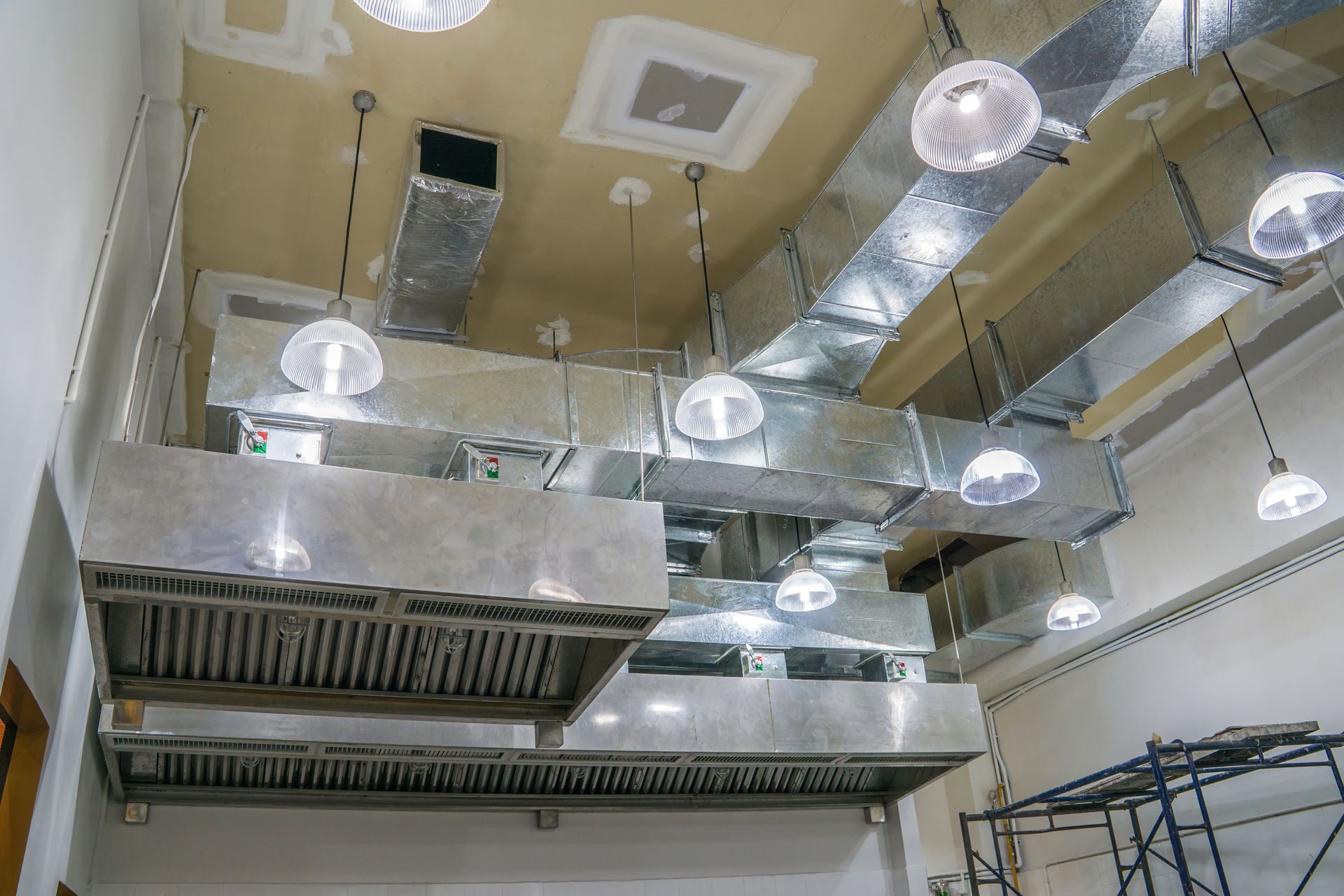
Hiring professional technicians provides unmatched expertise and technical experience to the critical task of exhaust system sanitation. Certified specialists possess a deep understanding of local fire codes and standard safety compliance regulations, allowing them to identify vulnerabilities that untrained kitchen staff might easily overlook. These experts utilize advanced commercial equipment, including high-pressure power washers and heavy-duty steam cleaning machines, to achieve a deep clean. This specialized methodology removes stubborn, baked-on grease layers from deep within the exhaust framework where standard manual scraping completely fails.
Establishing a consistent, professionally managed maintenance schedule ensures that flammable residues never reach hazardous thresholds. Routine professional cleanings keep the kitchen compliant with local municipal codes, providing verifiable service documentation that is essential during official fire inspections. Investing in a professional kitchen hood cleaner protects the longevity of expensive exhaust fans and ventilation hardware. Preventing catastrophic system failures translates into massive long-term financial savings, making commercial maintenance a highly cost-effective operational strategy for smart business owners.
Identify Key Traits in Service Providers
Prioritizing verified credentials and industry certifications is essential when evaluating a potential kitchen hood cleaner for your commercial facility. Valid qualifications demonstrate that the technicians have completed rigorous safety training and adhere strictly to modern industry standards. Reading honest customer testimonials and online reviews offers clear insights into the reliability and professionalism of a service provider. Positive feedback from other local restaurant owners serves as an excellent indicator of a company’s dedication to thorough execution and dependable customer care.
Excellent service providers offer comprehensive solutions that extend far beyond basic surface scrubbing to include full system inspections and structural safety assessments. They deliver customized cleaning plans tailored precisely to your specific kitchen layout, cooking volume, and equipment configuration. Reputable organizations maintain completely transparent pricing models with detailed, upfront estimates to eliminate hidden fees or unexpected billing surprises. This professional clarity fosters mutual trust and guarantees that your facility receives the precise level of care required to maintain optimal safety.
Compare Do-It-Yourself and Professional Options
Conducting a thorough cost-effectiveness analysis reveals clear differences between in-house cleaning attempts and hiring professional services. While utilizing internal kitchen staff might seem like a budget-friendly option initially, DIY tactics rarely achieve the deep sterilization needed to eliminate severe fire hazards. Untrained employees lack the specialized tools required to access restricted duct zones, leaving dangerous grease reservoirs untouched. The superficial results of internal cleaning often fail to meet strict municipal standards, exposing the business to potential fines and operational shutdowns.
Outsourcing exhaust system care to an experienced kitchen hood cleaner maximizes operational efficiency and protects employees from unnecessary safety hazards. Handling caustic chemical degreasers and maneuvering inside tight, elevated ventilation shafts carries inherent physical risks for untrained staff. Professional technicians possess the proper personal protective equipment and specialized tactical training to execute these difficult cleanings safely and rapidly. This specialized efficiency allows your kitchen team to focus entirely on core business operations, food preparation, and guest satisfaction without exhausting valuable time.
Evaluate Environmental Factors in Exhaust Cleaning
The modern commercial food industry places a strong emphasis on integrating sustainable practices into daily restaurant management. Choosing a forward-thinking service provider that utilizes biodegradable, non-toxic cleaning agents significantly minimizes the release of harsh chemicals into local ecosystems. These eco-friendly solutions safeguard the health of your kitchen staff by eliminating exposure to dangerous airborne toxins and caustic fumes. Adopting green cleaning practices enhances your brand reputation among environmentally conscious consumers who prefer supporting eco-responsible business operations.
Responsible waste management protocols represent another crucial element of environmentally conscious exhaust maintenance. Professional technicians follow strict legal guidelines to capture, contain, and safely dispose of extracted grease residues and chemical wastewater, preventing municipal water contamination. Leading service companies actively reduce their carbon footprints by optimizing service travel routes and employing modern, energy-efficient machinery. Supporting these eco-friendly advancements contributes to a healthier local community while maintaining pristine sanitation standards throughout your exhaust infrastructure.
Select the Best Service Vendor Methodically
Selecting the perfect maintenance partner requires an organized, step-by-step approach starting with a comprehensive assessment of your specific operational needs. Documenting your daily cooking volume, equipment types, and grease production rates helps define the exact scope of required cleaning services. This detailed information allows you to research local providers effectively, narrowing your options to companies with proven expertise in similar commercial setups. Thoroughly vetting candidates ensures you select a vendor capable of handling your kitchen's unique architectural demands.
Conducting thorough interviews and carefully examining formal service agreements will help verify the capabilities of a prospective kitchen hood cleaner. Inquire about their emergency response protocols, liability coverage limitations, and compliance documentation practices during the evaluation phase. Clear contracts should outline exact service intervals, detailed pricing structures, and specific performance guarantees to avoid future operational misunderstandings. Establishing a definitive selection process and setting a recurring maintenance calendar guarantees continuous protection against devastating commercial kitchen fires.
Maintaining a pristine, hazard-free exhaust system is an indispensable element of managing a successful and safe commercial food service operation. Consistently investing in a reliable kitchen hood cleaner drastically minimizes the threat of devastating grease fires while ensuring full compliance with strict municipal safety codes. Taking a proactive approach to ventilation cleanliness protects your physical property, safeguards your employees, and provides complete peace of mind.
Protecting your commercial facility from sudden fire disasters demands continuous dedication, expert execution, and specialized maintenance strategies. By prioritizing routine care and choosing qualified professionals, you ensure that your ventilation infrastructure operates at peak safety and peak efficiency. Let us handle your commercial kitchen maintenance needs at Sun Devil Hood & Exhaust Cleaning to secure your business with our expert solutions today.
Share On: